The BJJ Nervous System: Why Elite Jiu-Jitsu Athletes Stay Calm Under Pressure (And How You Can Train It)

Most people think elite Brazilian Jiu-Jitsu athletes win because of:
better technique
superior conditioning
more mat time
Those things matter, but they’re not the real separator.
The biggest difference between elite BJJ athletes and everyone else is how their nervous system performs under pressure.
While most people panic, tense up, and gas out…elite athletes stay calm, efficient, and strategic, even when they’re exhausted, crushed, or behind.
That’s not accidental. It’s trained.
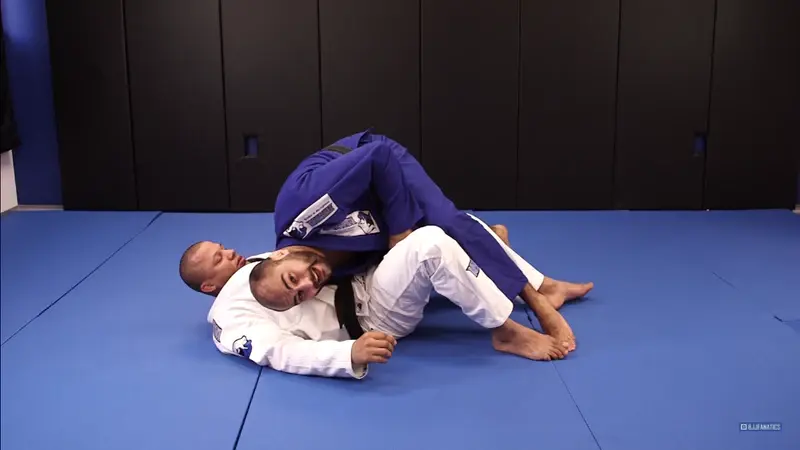
Performance Is Not Just Physical, It’s Neurological
At its core, BJJ is a high-stress problem-solving environment:
restricted breathing
constant physical threat
decision-making under fatigue
unpredictable variables
When stress spikes, the nervous system chooses one of two paths:
Fight-or-flight (panic, tension, wasted energy)
Regulated performance (calm, precision, efficiency)
Most people live in option #1.
Elite BJJ athletes train for option #2.
Why Most BJJ Practitioners Panic (Even With Good Technique)
When pressure hits, the body defaults to survival mode:
shallow breathing
elevated heart rate
muscle over-tension
tunnel vision
This causes:
faster fatigue
poor grip efficiency
sloppy transitions
mental shutdown
The issue isn’t conditioning, it’s poor nervous system regulation.
You can have world-class technique and still lose if your system can’t stay calm under load.
How Elite BJJ Athletes Train Calm Under Pressure
Elite performers don’t just train moves, they train states.
1. Breath Control Under Positional Stress
Instead of saving breathwork for yoga mats, high-level athletes integrate breathing inside bad positions:
slow nasal breathing while pinned
extended exhales during guard retention
controlled breathing during scrambles
This teaches the nervous system: “I’m safe here. Stay calm. Keep working.”
That alone dramatically reduces panic and energy waste.
2. Exposure to Constraint, Not Chaos
Many gyms confuse intensity with effectiveness.
Elite training uses controlled constraints:
limited movement rounds
positional sparring from disadvantage
time caps that force patience
This creates stress without overload, allowing adaptation instead of burnout.
The nervous system learns:
tolerance
patience
efficiency
Not panic.
3. Training Calm While Fatigued (Not Destroyed)
There’s a difference between fatigue and exhaustion.
Smart athletes train calm near fatigue, not past it:
submaximal conditioning
aerobic base work
strength training that supports recovery
This keeps the nervous system resilient instead of chronically overstimulated.

Why This Matters Beyond Jiu-Jitsu
This is why BJJ athletes often excel outside the gym:
executives
entrepreneurs
high-pressure professionals
They’ve trained their nervous system to:
stay calm under stress
make decisions while fatigued
recover quickly
These are transferable life skills, not just grappling traits.
How You Can Start Training Your Nervous System Today
You don’t need more chaos. You need better inputs.
Start with:
slower nasal breathing during rolls
more positional work, less ego sparring
strength and conditioning that supports recovery
fewer “kill yourself” workouts
The goal isn’t to avoid stress, it’s to handle it better.
Final Thought
Elite BJJ performance isn’t about being tougher. It’s about being calmer, more efficient, and more resilient under pressure.
Train the nervous system and everything else improves:
performance
longevity
confidence
recovery
That’s the real edge.
Want to train like a high-level athlete without burning out or breaking down?
I work with BJJ athletes, executives, and high performers who want strength, conditioning, and nervous system training that actually transfers to real life.
Apply for coaching HERE


Comments