The Ultimate Guide to Jiu-Jitsu Strength & Conditioning (Austin TX - 2025 Edition)

Austin has become one of the fastest-growing Jiu-Jitsu hubs in the country, packed with elite black belts, competition-focused gyms, and a growing community of hobbyists who take training seriously.
But here’s the reality:
Most Jiu-Jitsu athletes in Austin are undertrained, over-fatigued, and one bad scramble away from an injury.
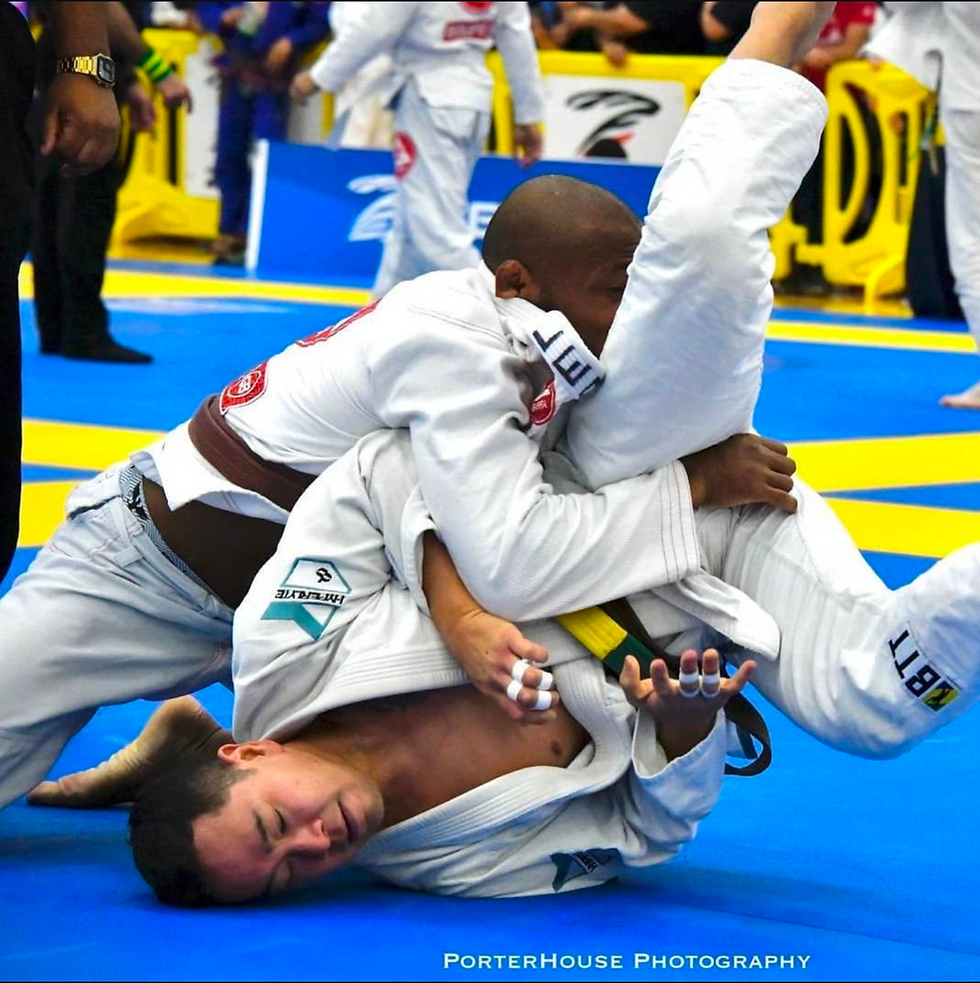
Technique matters, but strength, conditioning, mobility, and recovery are what keep you progressing year after year, not sitting on the sidelines or at home with ice packs, MRIs and regret.
In this guide to jiu jitsu strength and conditioning I break down the exact physical qualities a Jiu-Jitsu athlete needs, how to train them, how NOT to train, and what a complete week of training should look like in 2025.
Why Strength & Conditioning Is Essential for Jiu-Jitsu
Jiu-Jitsu is a unique combination of:
Isometrics (holding positions)
Explosive hip movement
Rotational power
Grip endurance
Flexibility & mobility
Anaerobic bursts mixed with aerobic steady output
Constant unpredictability
A well-designed S&C program gives you:
✔ More strength, quickness and speed in scrambles
✔ Better cardio in long rolls
✔ Stronger grip that doesn’t fail in the 3rd round
✔ Less back, knee, and shoulder pain
✔ Faster recovery between sessions
✔ A game that keeps leveling up even as you age
This is why world champions all do strength and conditioning workouts, the mats alone aren’t enough.
The 5 Physical Qualities Every BJJ Athlete Needs in 2025
1. Max Strength (The Foundation)
Strong athletes win more scrambles, escape more pins, and prevent more injuries.
Essential lifts include:
Deadlift - Barbell or Trap Bar
Front squat
Barbell, Dumbbell or Kettlebell Pressing (Bench, Floor, Incline, Overhead, etc)
Weighted pull-ups
Power Clean/Power Snatch/Kettlebell Swing
Goal: Get strong, not bodybuilder-big.
2. Grip Strength & Finger Durability
Your grips are your superpower, but also your most common source of injury.
Train grip specifically with:
Towel pull-ups
Heavy farmer carries
Gi pull variations
Plate pinches
Grip endurance hangs
Pro tip: Stop over-gripping in rolls; learn how to grip and when to grip.
3. Rotational Power & Explosive Hips
Think:
Hip escapes
Double legs
Sweep speed
Armbar/triangle adjustments
Best exercises:
Russian twists
Med-ball rotational throws
Hip bridges
Power Clean/Power Snatch/Kettlebell swings
Explosive step-ups
4. Conditioning Built for Jiu-Jitsu (Not for Runners)
Most BJJ athletes do conditioning wrong. Long jogs don’t prepare you for explosive rounds. Endless HIIT burns you out.
You need mixed energy system training:
A) Aerobic base training
20–40 min zone 2 (bike, rower, jog) which improves recovery between scrambles.
B) Anaerobic power intervals
15 sec explosive work / 30-45 sec rest to mimics scramble dynamics.
C) Grip & core endurance circuits
Designed to match rolling demands.
5. Mobility & Injury Prevention
Most of my Austin clients deal with:
Tight hips
Rounded shoulders
Low-back pain
Stiff ankles
Banged-up knees
Fix it with:
Daily mobility (10 min)
Controlled articular rotations (CARs)
Hip capsule work
Thoracic spine rotation exercises
Glute activation
Stronger joints = fewer taps

How Often Should You Strength Train If You Roll 3–5x Per Week?
Beginner / Hobbyist:
2 strength sessions per week
3–4 rolls
Intermediate / Competitor:
3 strength sessions per week
4–6 rolls
1 conditioning day
Masters / 40+ Athlete:
2–3 strength sessions
2–4 rolls
Daily mobility for longevity
Always remember that consistency beats intensity.
Sample 7-Day Strength & Conditioning Program for BJJ Athletes
Monday: Strength (Lower Body + Core)
Trap bar deadlift
Split squats
Glute bridges
Anti-rotation core
Tuesday: BJJ Training
Focus: positional sparring
Wednesday: Strength (Upper Body + Grip)
Pull-ups
Dumbbell press
Farmer carries
Gi grips
Towel rows
Thursday: Rolls + Aerobic Conditioning
20–40 min zone 2 after rolling
Friday: Power + Mobility
Med-ball throws
Box jumps
Hip mobility
Shoulder CARs
Spine rotation work
Saturday: Competition Rounds
Harder rolling
Controlled sparring
Sunday: Active Recovery
Walk
Sauna
Stretch
Breathwork
Common Training Mistakes BJJ Athletes Make in Austin
Only rolling and never strength training
Doing bodybuilding workouts instead of athletic training
Too much HIIT, not enough aerobic development
Ignoring mobility until something hurts
Overtraining by stacking intense rolls + heavy lifts
Copying influencer workouts that don't fit your individual needs

How Personal Training Accelerates Your BJJ Progress
(Barbells & BJJ Method)
What takes most athletes 3 years, a coached program can achieve in 3–6 months:
Customized strength phases
Energy system development tailored to your style
Program built around your academy schedule
Injury-proofing based on your exact limitations
Weight cuts without losing strength
Accountability & progression tracking
You don’t just become more fit.
You become harder to sweep, harder to submit, and harder to deal with in general.
Ready to Train Smarter in 2025?
Barbells & BJJ offers personalized coaching for:
Austin BJJ athletes
Muay Thai athletes
Executives who want a fighter’s physique
Everyday athletes who want more strength, mobility & confidence
If you want a training plan that actually matches your lifestyle, your BJJ schedule, and your goals…
If you want fewer injuries and more progress…
Or if you’re an executive or professional wanting the physique and performance of a fighter…
Join me at Barbells & BJJ by filling out the form here: https://www.jtinoue.com/coaching-personal-training
You can also send me a message to get started at jason@jtinoue.com or call/text me directly at (509) 710-7184
Train smart. Stay healthy. And I’ll see you on the mats.


Comments